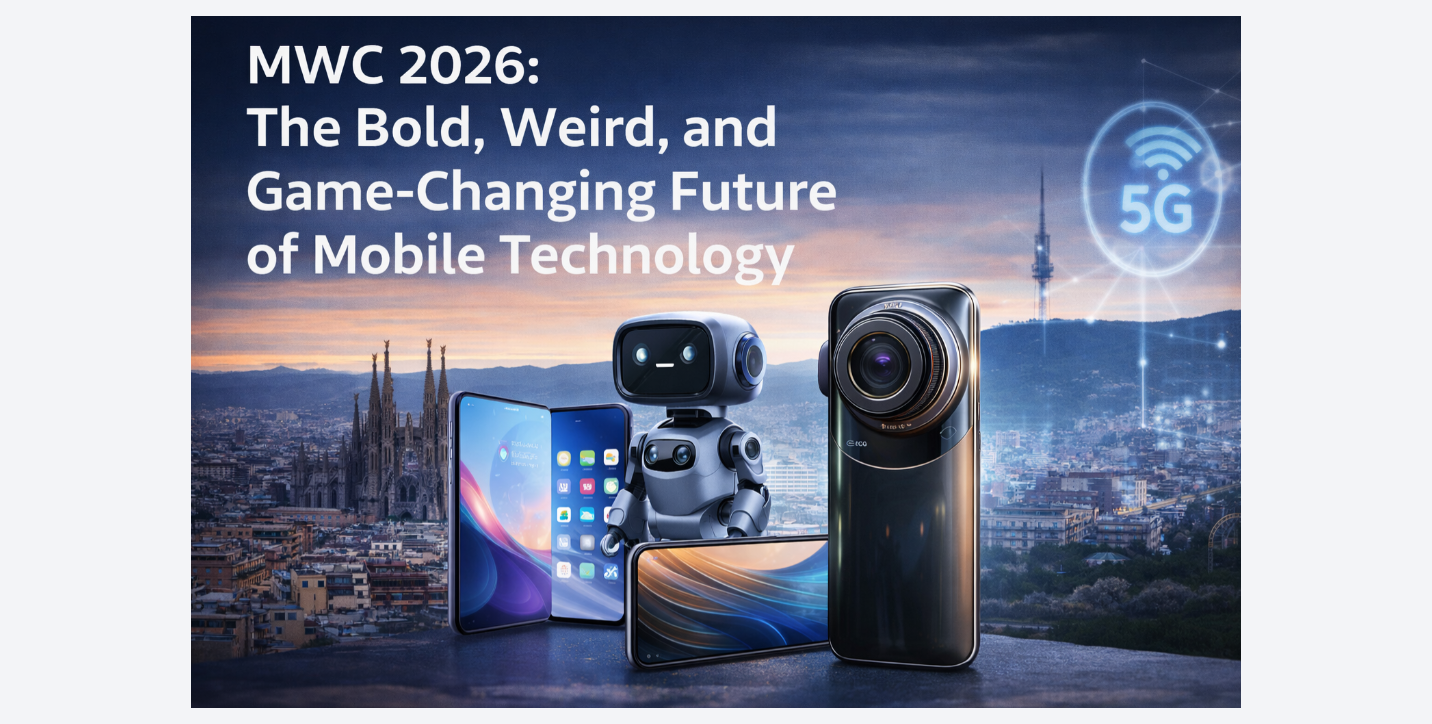

Mobile World Congress 2026 is set to showcase experimental smartphone designs, AI-powered innovations, next-gen foldables, and breakthrough connectivity technologies. From robotic camera concepts to advanced on-device AI, this year’s event highlights how the mobile industry is pushing beyond incremental upgrades toward bold new ideas.
Mobile World Congress 2026 is shaping up to be one of the most unpredictable and creatively charged editions of the global tech event in recent memory. Held annually in Barcelona, MWC has long been the stage where smartphone makers, chip companies, and telecom giants reveal their latest innovations. But in recent years, the character of the show has shifted. Instead of being dominated solely by predictable flagship launches, MWC has evolved into a space where experimentation, bold design, and unconventional ideas take center stage.
This year appears to continue that trend. From unusually designed smartphones and ambitious camera systems to next-generation foldables and AI-driven hardware concepts, MWC 2026 reflects an industry trying to push beyond incremental upgrades. While the smartphone market may feel mature, the ideas on display in Barcelona suggest that manufacturers are still searching for the next breakthrough moment.
A Shift From Predictable to Experimental
For much of the past decade, smartphone launches followed a familiar pattern: faster processors, brighter displays, slightly improved cameras, and refined designs. While these improvements mattered, they rarely felt transformative. Consumers began to see new devices as iterative rather than revolutionary.
MWC 2026 appears determined to break that pattern. Instead of focusing only on specification upgrades, companies are experimenting with mechanical elements, unusual form factors, and hardware concepts that would have seemed impractical just a few years ago. The goal is clear: differentiate in a crowded market and reintroduce a sense of surprise.
This renewed appetite for experimentation suggests that manufacturers understand a fundamental truth. If smartphones are to remain central to our digital lives, they must offer experiences that feel meaningfully different, not just marginally better.
Reinventing Mobile Photography
One of the most talked-about themes ahead of MWC 2026 is the evolution of smartphone cameras. Camera quality has long been a primary selling point, but manufacturers are now exploring hardware-based innovation rather than relying solely on software processing.
Some companies are reportedly introducing physical camera controls and mechanical components that offer tactile precision. Instead of purely digital zoom or algorithmic adjustments, these devices may incorporate rotating elements or advanced optical systems that provide a more hands-on photography experience. This approach merges the nostalgia of traditional cameras with the computational power of modern smartphones.
The renewed emphasis on optics highlights an important shift. Rather than competing only on megapixel counts, brands are seeking to create a more immersive and authentic photography workflow. For content creators, mobile journalists, and photography enthusiasts, this could mark the beginning of a more professional-grade smartphone camera era.
The Rise of the “Robot Phone” Concept
Perhaps the most unusual development surrounding MWC 2026 is the emergence of smartphones with moving components designed to enhance video capture and interaction. Teasers from certain brands hint at devices equipped with robotic or gimbal-style camera systems capable of physically adjusting their position.
The concept is ambitious. Imagine a smartphone that can automatically track a subject while recording video, adjusting its lens orientation without requiring the user to reposition the device manually. While software-based tracking has existed for years, integrating mechanical motion introduces new possibilities for stabilization and dynamic filming.
Whether such devices will become mainstream products remains uncertain. However, their presence at MWC signals that manufacturers are willing to test boundaries. Even if these concepts do not immediately reach mass adoption, they may influence future designs in subtle but meaningful ways.
Foldables Continue Their Evolution
Foldable smartphones have moved from novelty to legitimate category over the past several years. At MWC 2026, new foldable models are expected to showcase improvements in battery life, durability, and display technology.
Earlier generations of foldables struggled with concerns around hinge longevity and screen creasing. Today, manufacturers are refining these designs, introducing stronger materials and more seamless folding mechanisms. Some upcoming models are rumored to feature larger batteries without increasing thickness, addressing one of the key criticisms of early foldable devices.
The continued investment in foldables suggests that brands view them as more than experimental side projects. Instead, foldables represent an attempt to redefine how we interact with mobile devices, offering tablet-like productivity in a pocket-sized format. As software ecosystems adapt to better support flexible displays, foldables could become increasingly practical for both professional and personal use.
Flagship Competition Intensifies
Beyond experimental devices, MWC 2026 will also spotlight high-end flagship smartphones from established and emerging brands. These devices may not introduce radical form factors, but they are expected to deliver top-tier performance, advanced chipsets, and refined designs.
Competition among Android manufacturers remains fierce, particularly in the premium segment. With companies investing heavily in camera partnerships, AI enhancements, and custom silicon optimization, the flagship market continues to evolve.
Even though some major brands prefer hosting independent launch events, MWC remains a crucial platform for global exposure. For many manufacturers, the event offers an opportunity to showcase innovation directly to industry professionals, media, and consumers from around the world.
Artificial Intelligence Moves On-Device
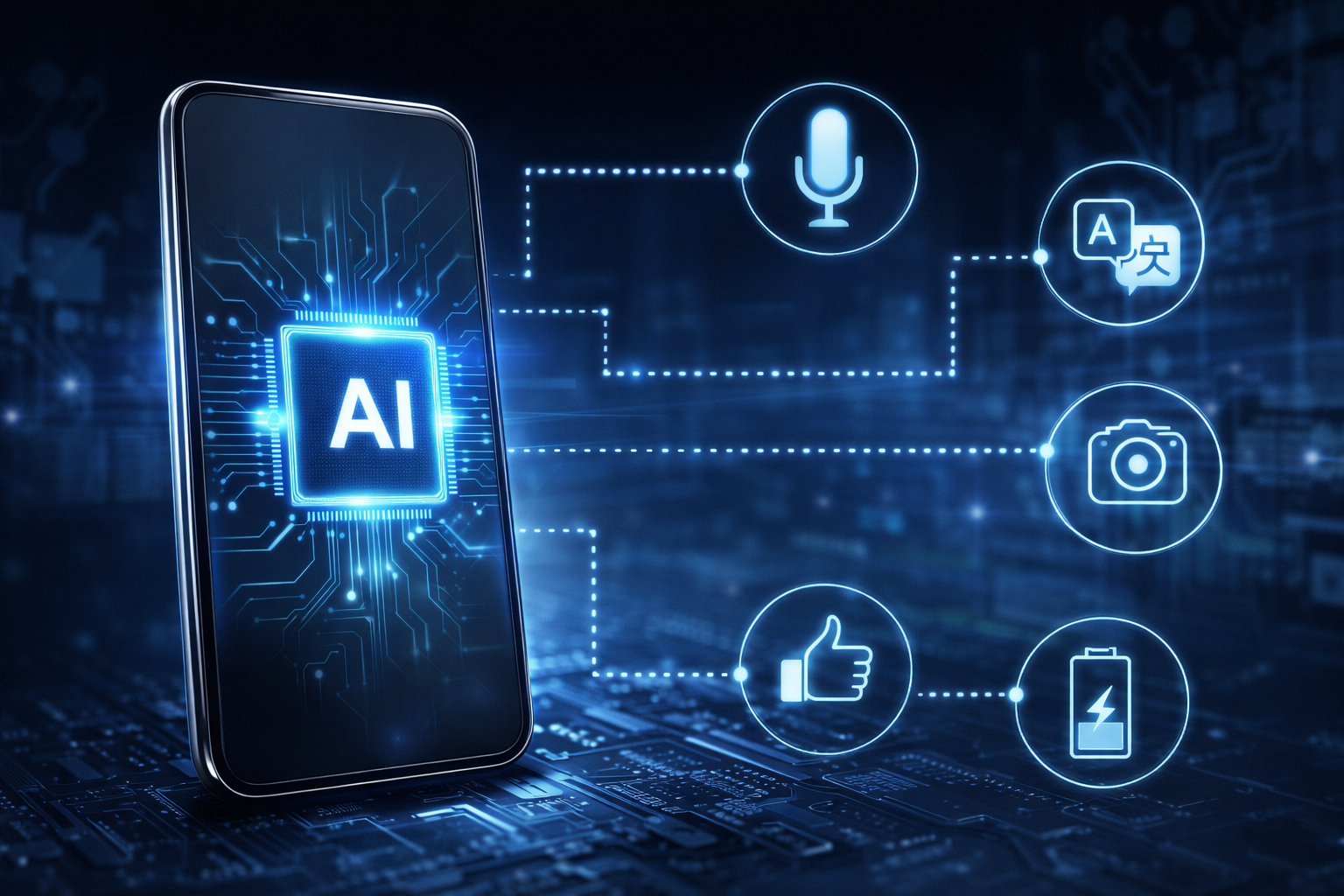
Artificial intelligence has been a dominant theme across the technology industry, and mobile devices are no exception. At MWC 2026, AI is expected to be deeply integrated into both hardware and software demonstrations.
Unlike earlier generations of cloud-dependent AI features, newer smartphones are increasingly capable of running advanced models directly on the device. This shift toward on-device processing enhances privacy, reduces latency, and improves reliability.
Potential AI-driven features include smarter voice assistants, contextual recommendations, real-time language translation, and enhanced photo and video editing. Some demonstrations may also highlight predictive battery management and adaptive performance tuning powered by machine learning.
As chipmakers continue to design processors with dedicated AI cores, the line between smartphone and personal AI companion may blur further. The device in your pocket could soon anticipate needs and adapt dynamically to your behavior in ways that feel intuitive rather than intrusive.
Connectivity and the Path to 6G
MWC has always been about more than smartphones. Telecommunications infrastructure, network standards, and connectivity breakthroughs form the backbone of the event.
While 5G networks are still expanding globally, research and early prototypes related to 6G are beginning to surface. Although widespread 6G deployment remains years away, MWC 2026 may offer glimpses into what the next generation of wireless communication could deliver.
Faster speeds, lower latency, and more efficient spectrum use are central goals. In addition, 6G research often explores advanced applications such as immersive extended reality experiences and ultra-reliable machine-to-machine communication.
For consumers, these developments may feel distant. However, the groundwork laid at industry gatherings like MWC shapes the connectivity landscape for the next decade.
The Global Influence of Asian Manufacturers
Another defining characteristic of recent MWC editions is the strong presence of Asian manufacturers, particularly from China and Taiwan. As some American tech giants focus on independent product launches, brands from Asia have increasingly used MWC as a primary global showcase.
This dynamic has led to a more diverse and experimental show floor. Companies that might not receive the same visibility in Western markets gain an opportunity to present ambitious designs and bold prototypes to an international audience.
The result is an event that feels less predictable and more exploratory. Attendees encounter a mix of polished flagship products and daring concept devices, reflecting the wide spectrum of approaches within the global smartphone ecosystem.
Sustainability and Modular Concepts
Sustainability continues to influence product development, and MWC 2026 is likely to feature devices designed with longevity and repairability in mind. Some brands are exploring modular components that allow users to upgrade specific parts without replacing the entire device.
This approach addresses growing consumer concerns about electronic waste and environmental impact. By extending the usable lifespan of smartphones, manufacturers can position themselves as responsible innovators.
Although modular designs have faced challenges in the past, advancements in materials and engineering may revive interest in this concept. Even incremental progress toward repair-friendly construction signals a shift in industry priorities.
Why MWC 2026 Matters
In an era when product announcements are often livestreamed globally and controlled entirely by individual companies, one might question the relevance of large trade shows. Yet MWC remains significant because it brings together the entire ecosystem: hardware makers, network providers, chip designers, software developers, and investors.
The cross-pollination of ideas that occurs at such gatherings cannot be replicated through isolated launch events. Partnerships are formed, prototypes are tested, and feedback flows directly between stakeholders.
MWC 2026 stands out not because it promises a single revolutionary device, but because it showcases the breadth of innovation happening simultaneously across the industry. From robotic camera systems and foldable advancements to AI integration and sustainability efforts, the event highlights a sector still actively reinventing itself.
Looking Ahead
As the smartphone market matures, the pressure to innovate intensifies. Consumers expect meaningful improvements, not superficial changes. MWC 2026 demonstrates that manufacturers are responding with creativity and ambition.
Some of the devices unveiled in Barcelona may remain niche products or concept demonstrations. Others may influence mainstream design over the next few years. The true impact of MWC often becomes visible only in hindsight, as experimental ideas evolve into standard features.
What is clear is that the spirit of experimentation is alive. In a landscape where many believed smartphones had reached their peak form, MWC 2026 suggests there is still room for reinvention.
The coming year will reveal which of these bold ideas resonate with consumers and which fade into obscurity. But for now, MWC 2026 serves as a reminder that the mobile industry continues to push boundaries, challenge assumptions, and explore the edges of possibility.


 Travel
 Studies
 Food
 Fashion
 Technology
 Health




All Comments (0)